
August 18, 2026
How to Layer Men’s Outerwear for Style and Comfort
Learn how to layer men’s outerwear with tops and bottoms to create comfortable, versatile outfits for changing weather and everyday occasions.
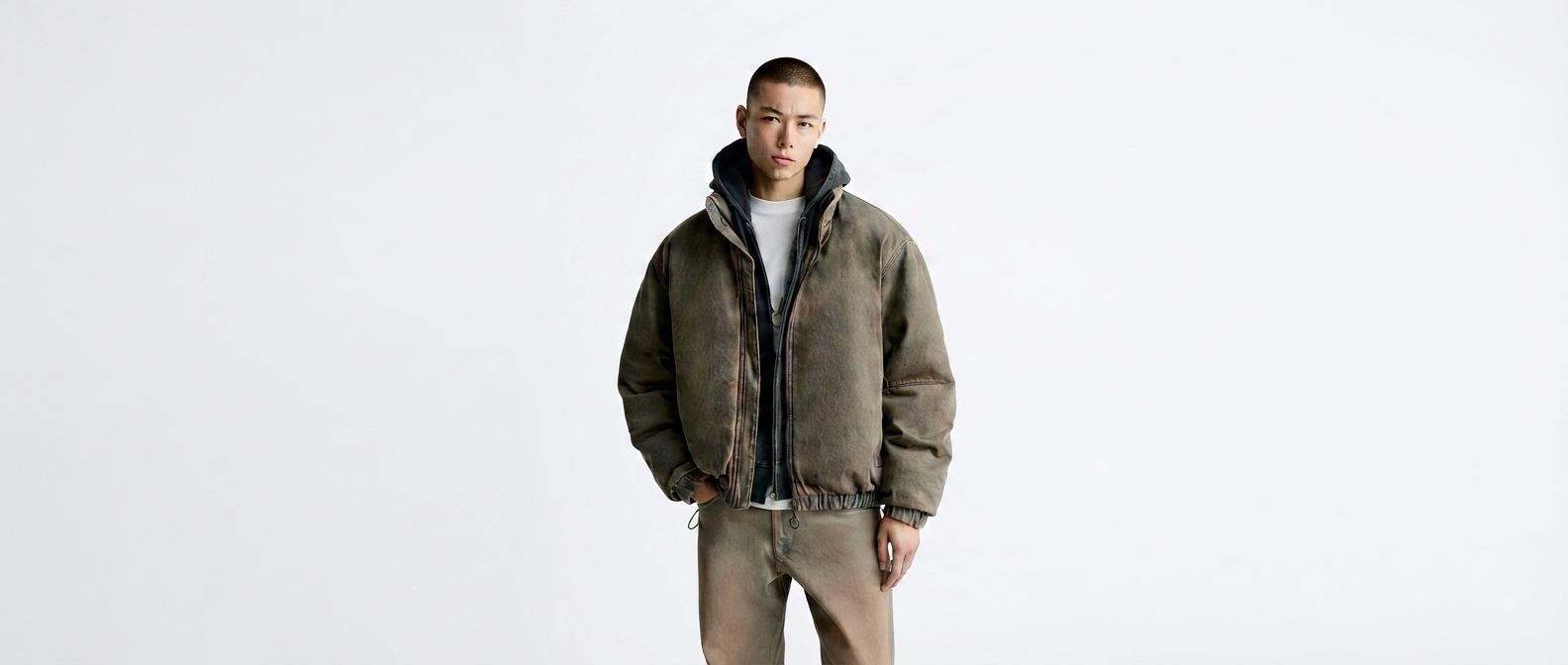
Layering is one of the most useful techniques in men's fashion. It allows you to adjust your outfit as temperatures change while adding depth and personality to your overall appearance.
The secret to effective layering is not simply adding more clothing. Each layer should have a purpose and work comfortably with the others. With versatile men's tops, bottoms, and outerwear, you can create practical layered outfits without making your wardrobe unnecessarily complicated.
Begin With the Base Layer
Every layered outfit starts with a base layer.
A comfortable men's top can provide the foundation for the rest of your outfit. Choose something that feels natural against the skin and is not too bulky underneath your outerwear.
The base layer should also work visually with the layers above it. Neutral colors are particularly useful because they make coordination easier.
Choose the Right Middle Layer
Depending on the temperature, you may want to add a middle layer between your top and outerwear.
A lightweight sweater, overshirt, or similar piece can provide additional warmth without making the outfit feel too heavy.
The most important factor is proportion. If the middle layer is already relaxed or oversized, the outer layer should provide enough room for comfortable movement.
Finish With Men's Outerwear
The final layer is usually your outerwear.
This is often the most visible part of the outfit, so it can strongly influence your overall appearance.
When choosing men's outerwear, consider both function and style. The right piece should provide the coverage you need while working naturally with the colors and silhouettes underneath.
Pay Attention to Proportions
Layering works best when the different pieces have a clear relationship.
You do not necessarily need every layer to have the same fit. In fact, subtle differences can create a more interesting silhouette.
A relatively clean base layer can work well underneath a relaxed outer layer. The contrast gives the outfit structure while maintaining comfort.
Coordinate Your Colors
Layering creates more opportunities to use color, but that does not mean every layer needs to be a different shade.
A simple color palette is often easier to wear. Try combining neutral shades with one complementary accent. Black, gray, navy, white, beige, and earthy tones can create a strong foundation for everyday outfits.
Consider the Weather
Practicality should always be part of layering.
If you expect significant temperature changes throughout the day, choose layers that can be removed easily. Lightweight pieces are particularly useful during transitional seasons.
For colder weather, you can gradually increase insulation by adding a thicker middle layer and a suitable outer layer.
Keep Mobility in Mind
An outfit may look good but still fail if it restricts movement.
When layering several pieces, make sure you have enough room through the shoulders, arms, and torso. Outerwear should allow you to move comfortably without pulling or feeling excessively tight.
Match Your Bottoms to the Layers
Your upper layers are only part of the outfit. Men's bottoms should complement the overall silhouette.
If your upper layers are relaxed, a clean and balanced bottom can help maintain proportion. Conversely, a more fitted upper combination may work well with a slightly relaxed bottom.
The goal is visual balance rather than following a strict rule.
Keep Layering Simple
One of the biggest mistakes people make is adding too many layers.
Effective layering does not require five or six pieces. In many situations, two or three well-chosen layers are enough.
A simple top, one middle layer, and outerwear can create a practical outfit that is comfortable, adaptable, and visually interesting.
Build a Layering-Friendly Wardrobe
If you enjoy layering, choose clothing that can work together.
Look for men's tops that are comfortable underneath jackets, bottoms that complement different outer layers, and outerwear that provides enough room for additional clothing underneath.
Over time, this creates a wardrobe where individual pieces have multiple styling possibilities.
Final Thoughts
Layering is a practical way to make men's clothing more versatile. By starting with a comfortable base layer, adding a suitable middle layer, and finishing with functional outerwear, you can create outfits that adapt to changing conditions.
Keep your colors coordinated, pay attention to proportions, and prioritize comfortable movement. With the right combination of men's tops, bottoms, and outerwear, layering can become one of the simplest ways to improve your everyday style.